People often use “pressure washing” as a catch-all term for exterior cleaning. But there are actually two very different methods — and using the wrong one can seriously damage your property. Here’s what every homeowner should know.
What Is Pressure Washing?
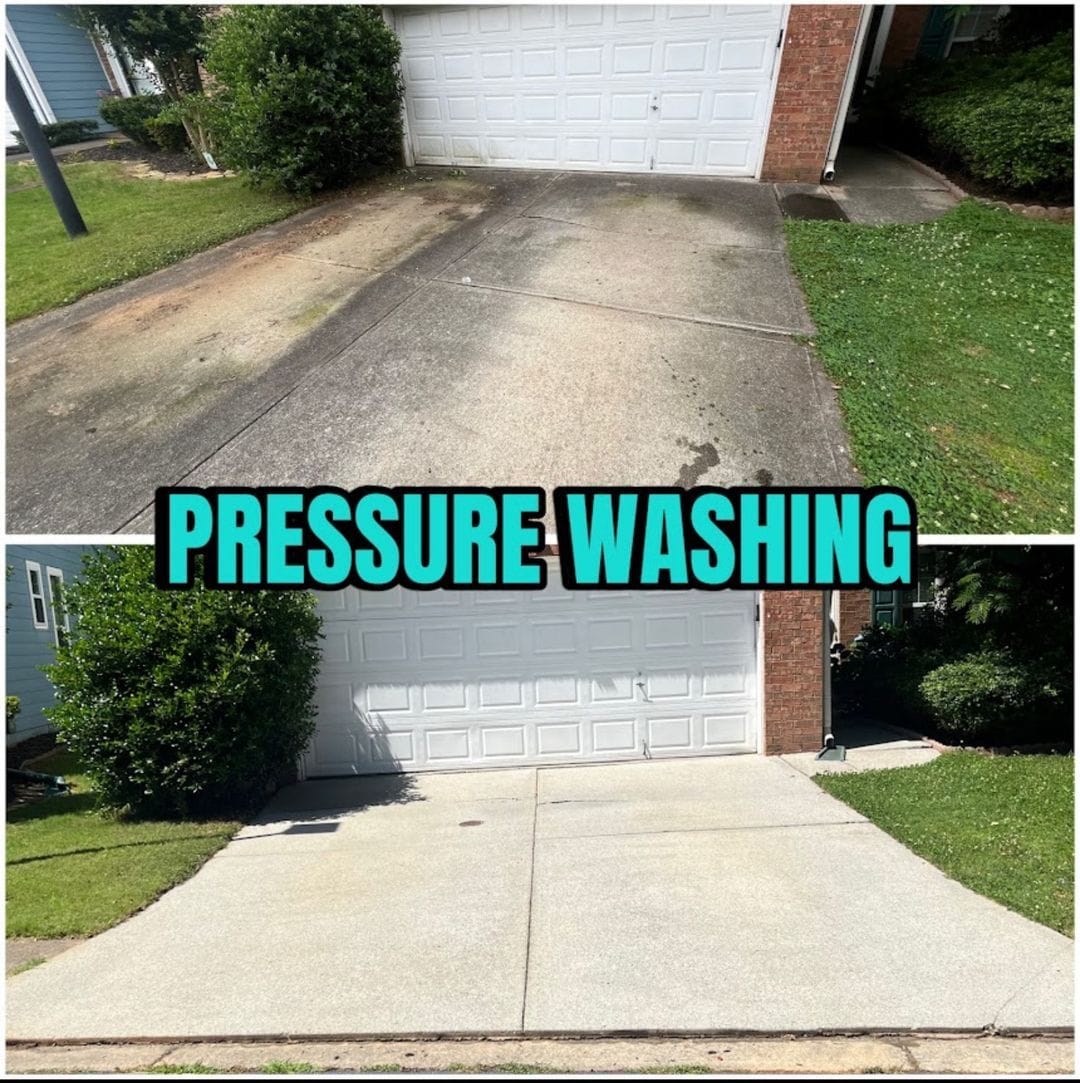
Pressure washing uses a high-pressure stream of water to physically blast away dirt, grime, and stains. It’s powerful and effective — on hard, durable surfaces like:
- Concrete driveways and sidewalks
- Brick and stone patios
- Paver walkways
The key word is durable. High pressure can carve through tough buildup that detergents alone can’t budge.
What Is Soft Washing?
Soft washing uses low pressure combined with specialized, biodegradable cleaning solutions. Instead of blasting grime away, it dissolves it at the source — killing algae, mildew, and bacteria rather than just rinsing them off.
Soft washing is the right choice for delicate surfaces like:
- Vinyl, Hardie board, and wood siding
- Roofs and shingles
- Painted surfaces
- Screens and outdoor furniture
Why It Matters
Here’s where homeowners get into trouble: using high pressure on the wrong surface. Blasting your roof can strip the protective granules off your shingles and void your warranty. High pressure on siding can crack panels and force water behind them, leading to mold inside your walls.
The secret to great results isn’t more pressure — it’s knowing exactly how much to use.
How the Pros Decide
At Flow, we assess every surface before we start and match the method to the material. Concrete gets a powerful surface clean; your roof and siding get a gentle soft wash. The result: a dramatically cleaner property with zero damage.
Not sure which your home needs? That’s what we’re here for. Reach out for a free assessment and we’ll recommend the safest, most effective approach.